I'm not claiming I'm reinventing the wheel when it comes to IP crossovers. I'm just better outfitting it for our current Post Peak TV and IP maximization landscape. Weeks ago, I coined the concept of 'Engagement Entanglement', which, as the name implies, represents the cross-vertical convergence entertainment channels use to stay in the attention rotation of consumers, i.e., the NBA & DraftKings or Netflix & Warner Music Group. Since the dust has settled since writing that, I realized Engagement Entanglement isn't just an ideal play vertically, but horizontally for streaming content as well.
Deadpool & Wolverine's $1B+ box office success in 2024 is a shining case study as to why. Both characters, in isolation, are beloved protagonists in $B+ grossing franchises, all owned by Marvel. This means they likely share a lot of overlapping fans, and since they're under the Marvel umbrella, singular fans can walk out of the theater as dual fans, ready to binge the other franchise they previously weren't a fan of on Disney+. Marvel's biggest successes over the past 5-10 years are even more proof of how effective this formula is. Look no further than their ~$8B-grossing Avengers franchise (the Avengers, by nature, is IP Engagement Entanglement). Part of why Marvel can do this so gracefully is, of course, that they are the rights holders to the bulk of their characters and franchises. Optimally, studios and entertainment brands with a heap of prestige IP are best suited to emulate the strategy.
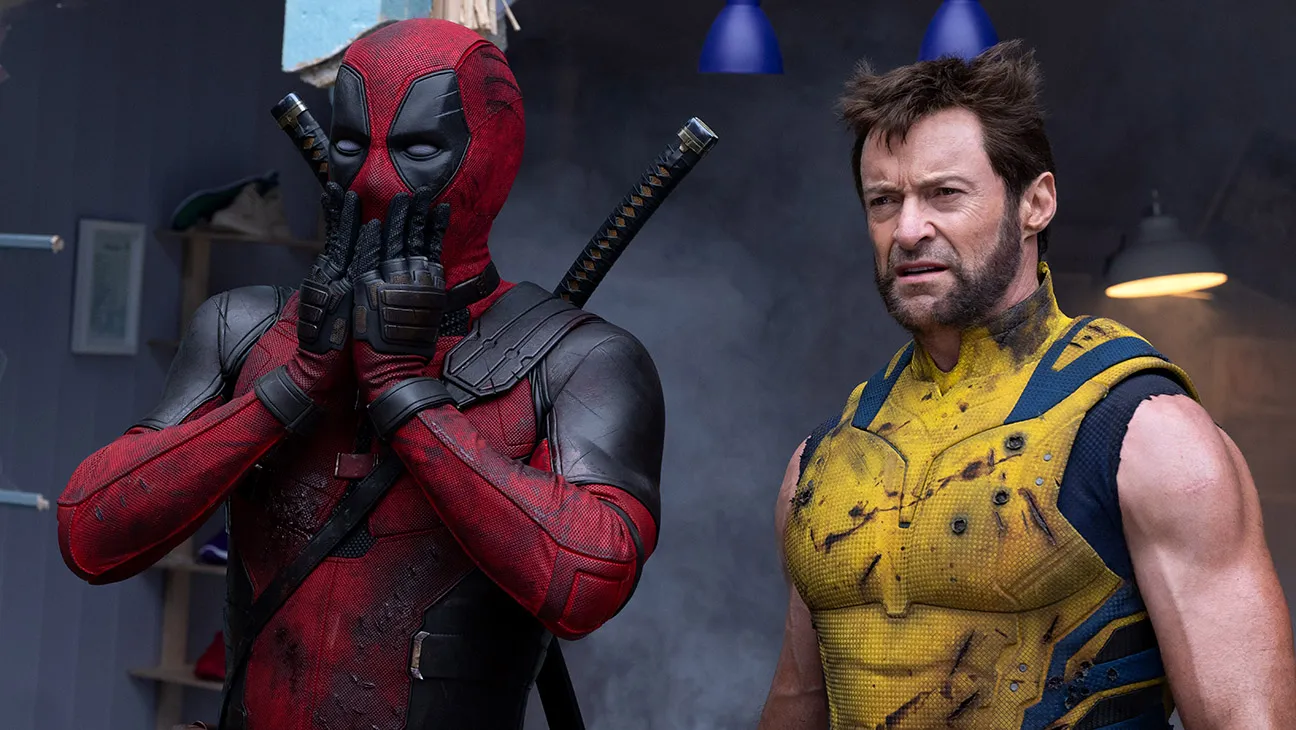
But what makes it particularly enticing to me, beyond the cost-controlled economics, is the surging concern consumers have around IP maximization creating unoriginal stories or 'obvious cash grab remakes' of their sacred favorite shows and movies. With this formula, 'dream matches' and universe expansions are the natural outcome, ultimately creating intrigue and a suspension of remake fatigue likely leading to heightened engagement all across the board. Think about: instead of Disney deciding to make another spin-off of Hannah Montana, they could do a crossover with Camp Rock, with Miley being one of the camp leaders. Or Netflix could have a Squid Game and Black Mirror crossover series in which the systemic interworkings of the Squid Game hosts are on full display.
The opportunities are endless, and the timing has never been more pertinent, with consumers wising up to IP maximization and Hollywood becoming increasingly scarce on prestige IP they can remake into new original series. Markers of content fatigue, 'nothing new, predictable, boring,' appear in 25.1% of reviews surveyed.1
Framework Visualization
IP Engagement Entanglement: The Economics
Fan Base Convergence Model
Audience Engagement Over Release Cycles
Traditional IP maximization shows diminishing returns as remake fatigue compounds. EE for IP sustains engagement by generating novelty from the crossover itself.
Original Framework
This piece builds on the original Engagement Entanglement thesis, which maps cross-vertical convergence as the core attention mechanic for modern entertainment brands.
Read Engagement Entanglement