The era of post-peak TV is upon us, and the incumbents of the streaming space are now left trying to recoup the staggering losses many of them took during the Peak TV era (2015-2022). They're scrambling to mitigate subscriber churn while raising subscription prices, writing off popular content, and managing elevated overhead expenses. The disconnect between the best interests of the streaming giants and their consumers is the steepest it's ever been, so much so that some streamers' efforts for profit maximization are leading to deeply diminishing returns.
Subscriber churn has gotten so severe that the slain DVD/physical media industry, once thought to be killed by the hands of streaming, has resurrected. Sales are still down, but the decline slowed from -24% to -4%, a 20-point improvement.1 Largely due to consumers increasingly opting for content ownership and autonomy. Moreover, consumers' resistance to the headwinds of post-peak TV has catalyzed new peaks in piracy. At the height of Peak TV, piracy reached a low in 2020 with 130 billion website visits. By 2024, that number had risen to 216 billion.2 Leaving all of us with the fateful question: so what do we do?
Here's a data-heavy framework on how streamers can optimize margins while still appeasing subscribers and stimulating growth:
1. Content depth sources pricing power
Consumers can justify premium pricing if the experience feels premium. In 2020, Netflix had 200M subscribers with their standard tier running at $12.99. Today they have 325M subscribers with their standard tier at $19.99. Largely because their content depth sources their pricing power. Streamers who want to raise prices can minimize churn by maintaining a healthy heap of desirable content across the board. But Netflix’s content isn’t just desirable to the masses, it sparks cultural phenomenas. 13 Reasons Why, Tiger King, Bird Box, Outer Banks, the Diddy docuseries, Jake Paul vs. Anthony Joshua. The switching cost of leaving Netflix feels to many like detaching yourself from the zeitgeist. Success as a streamer doesn't come from beating Netflix at their own game, but competing with them on owning cultural resonance.

2. Perceived value through bundles
Premium pricing doesn't just feel justified from an extensive library; it also hinges on perceived value. Like the days of cable, packages and bundles can be an enticing selling point, but only if the perception of savings is strong. Apple's ecosystem diversity allows them to capture otherwise uninterested Apple TV users, thanks to Apple One. The prospect of bundling Apple Music, one of the top music streaming services and the main music service of choice for most US iPhone users, along with various other perks, has elevated Apple TV's subscriber base to heights it otherwise wouldn't reach without the bundle. Similarly, Amazon Prime Video's success is largely due to its infusion with Amazon Prime.
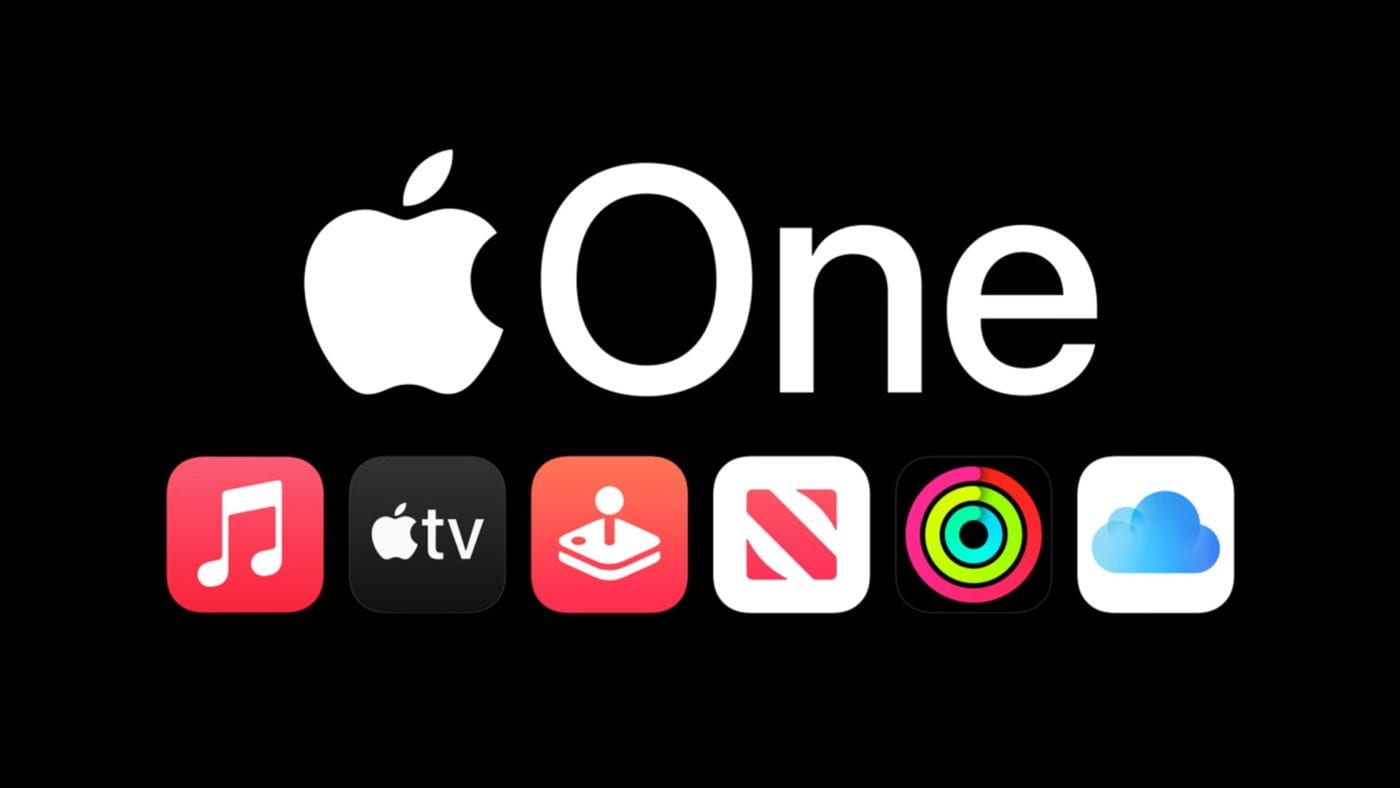
As a streamer, when pricing decisions are being calculated, deep consideration should be given to what means of added value can be brought to the consumer at a low cost. Partnerships with cultural subscription box services, food delivery platforms, and music streamers like Spotify, Tidal, and SoundCloud are all underexplored avenues.
3. Incentivize the feedback loop
Above all else, decisions on which content aligns to the zeitgeist and what bundle partners best fit your subscriber base come from the mouths of consumers. Social listening shouldn't be so dependent on external, unverified sources like social media channels or small-sample surveys. A page should be taken from the customer service feedback playbook fast food restaurants run.
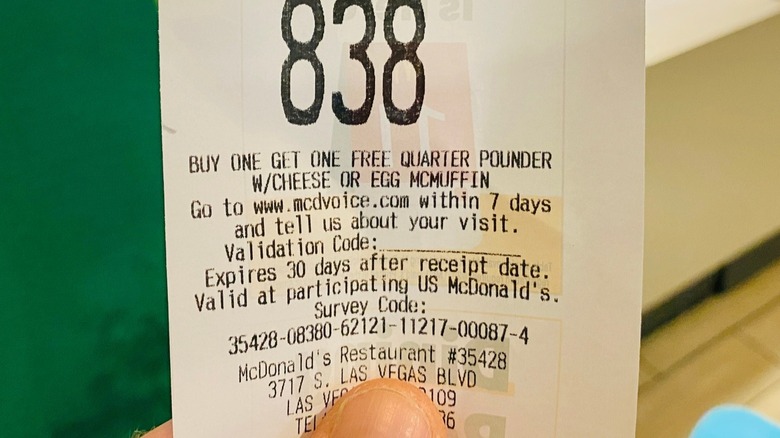
Incentivize users with a menial, sometimes even worthwhile perk, like a discount on the higher tier for the month, or the ability to invite a friend for 3 months, to elicit mass-scale feedback on pain points and overall sentiment. Geotarget it to certain regions to get a pulse on how regional decisions should be made. Without this, the disconnect between the best interests of the consumer and streamers will only deepen.
Streaming is much more inelastic than people may think. In spite of the mounting macro headwinds, 90% of US households pay for at least one streaming service. With the right framework, those households can remain paying customers even with higher subscription costs.
Isaiah Cole, April 2026
The cross-vertical bundling and social listening strategies above tie directly into what I've been calling Engagement Entanglement. Read that piece here.