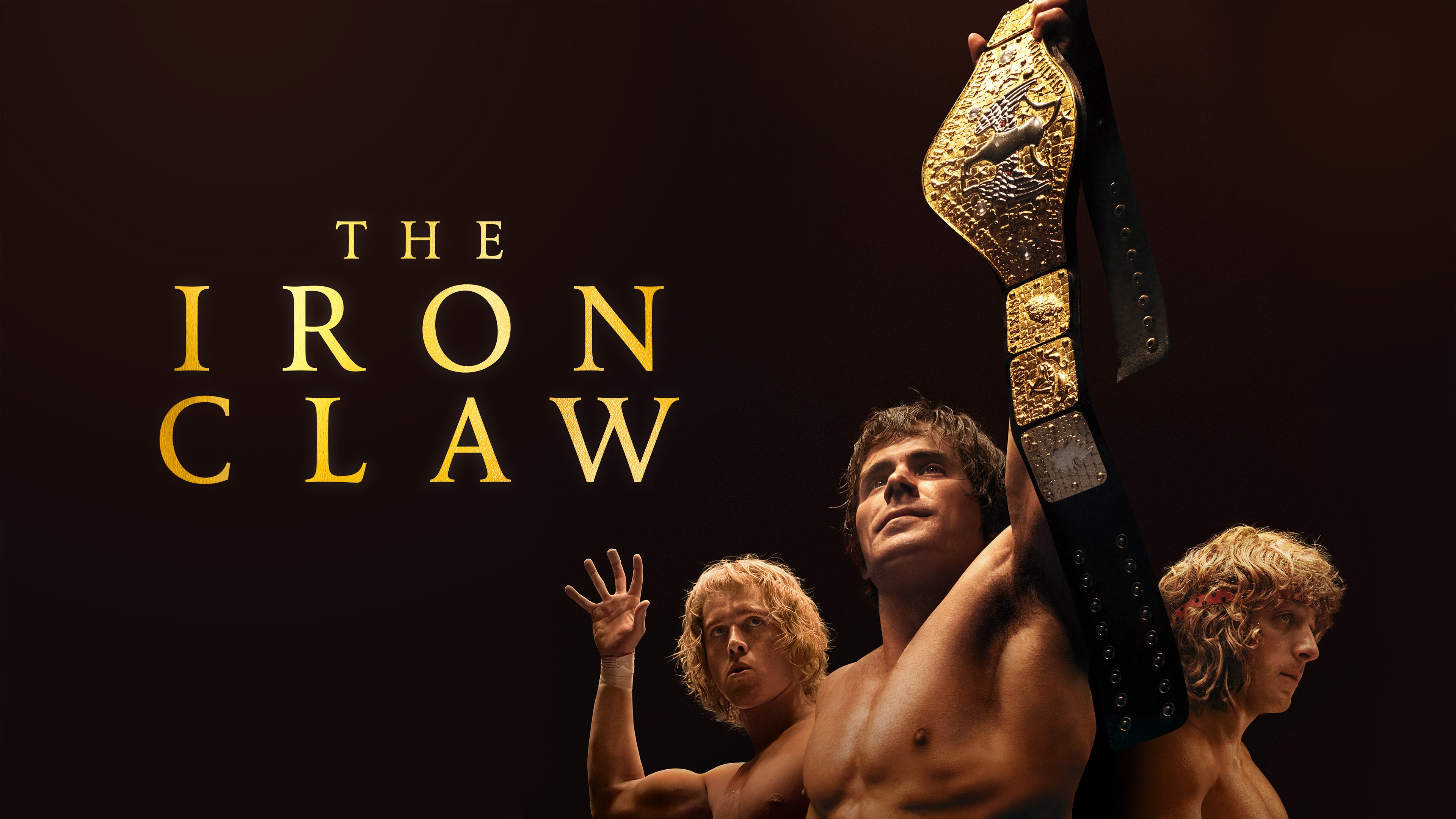
In a world of Andrew Tate, new household-bred misogyny, and red-pill toxicity in the airwaves, it’s a much-needed injection of fresh and rare air when a predominantly male movie unravels the vulnerability of men and their emotions. Especially a movie that, on the surface, appears to be another male hustle-through-struggle, macho movie.
I’m so late to the party that people may have forgotten it happened, but that won’t stop me from saying The Iron Claw is one of the most pivotal and worldview-changing movies of the decade. As a man who has a deep affinity for all facets of combat sports, pro wrestling and the “real stuff,” I was expecting beatdowns, not emotional meltdowns.
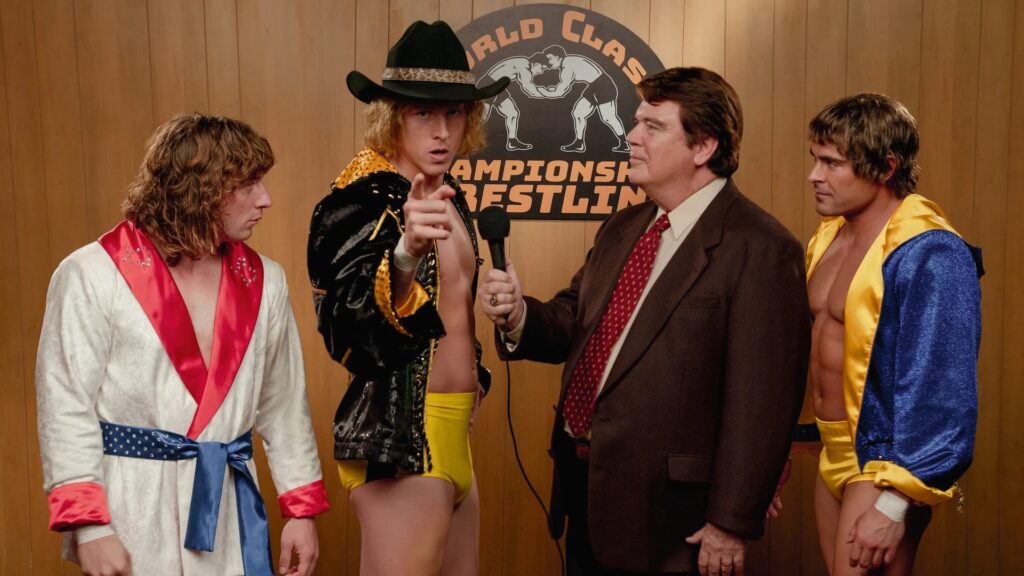
For those who don’t know, the movie chronicles the deeply tragic and horrifying life story of an iconic wrestling family, the Von Erichs. As a 2000s wrestling fan, I always knew their name, but I never knew their pain. And I think “pain” is the most subtle way to describe the complete and utter, cyclical, never-ending chaos they had to go through.
Death after death after death after death after death after death. A brother dies, the father sweeps it under the rug and tells the sons to suck it up and move on, with no breathing room or time to cope. The outcome creates this self-sustaining cycle where that absence of relief after death creates another death. And another. Looking at it on a microscopic level, it’s reflective of the implications of hustle culture’s commitment to belittling men’s mental health.
No man alive can be expected to endure a world of hurt as a profession, like professional wrestling or manual labor, or even psychologically as a sales or ops person, and not take time to recalibrate and unwind. The consequences don’t just lead to internal turmoil so deep that the characters in the movie contribute to the statistic of men being the most prevalent victims of suicide. It can also have adverse effects on those around them, contributing to the ongoing trend of men being the most prevalent violent aggressors.
Ironically, the movie doesn’t focus too much on teaching men how to cope. It teaches them what happens when you don’t.
And the closing scene is one of the only scenes I have ever seen that turned a man like myself, who struggles to release his emotions, into a wailing, full-sized man-baby. That moment was an inflection point in realizing the old adage, “boys do cry,” isn’t just pop-culture lore. It’s a practice that this movie helps normalize better than many of its predecessors.