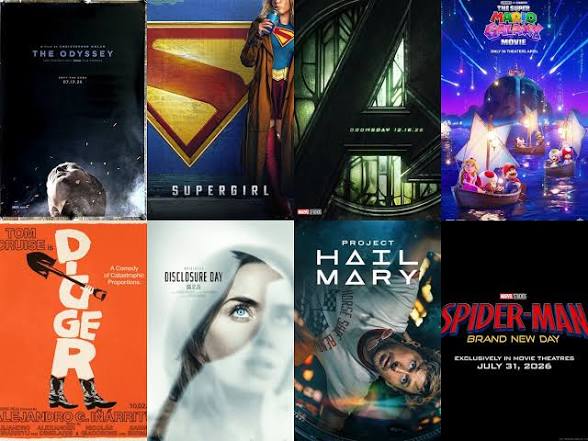
2026 is and will stand the test of time as one of the most paramount (pun intended) years in entertainment history. Yes, of course, the aforementioned Paramount’s blockbuster acquisition of Warner Bros. Discovery is a major flavor in this intoxicating concoction of milestones and industry shifts we call 2026. It’s all a part of a broader creative renaissance in which the days of IP maximization and post-Peak TV are likely in their twilight.
To the surprise of no one, viewers and the masses alike have been outwardly rejecting the new normal in Hollywood. Nonstop remakes. Lackluster and/or short-lived originals. Beloved projects turning into write-offs. And the list goes on.
And those gripes became fears for cinephiles and film purists alike with the ubiquitous adoption of AI in the world of film. Fast-forward to now, and consumers’ vehement rejection of what many have colloquially referred to as “slop” has led to Hollywood execs turning back the clock.
Like the days of old, quality output is the standard, not a scarcity. Particularly quality in the form of new and original stories.
This past summer delivered the best box office since 2019, and the uptick can partly be credited to an abundance of originality. This year, 25% of the top 20 highest-grossing domestic films were originals, compared to just 10% in 2022.
This isn’t just a theater-wide phenomenon, it’s a couch-wide one too. Per Forbes: “The post-Covid rhetoric in Hollywood is that content based on existing IP is safer, but the 2026 Emmy Awards show a preference for original concepts. Of the 36 unique scripted shows nominated for a 2026 Emmy Award, 24 are original concepts.”
One signal is a validator. Two is a pattern that can’t be denied.
And with viewers’ Obsession (another intentional but fitting pun, sorry, not sorry) with original stories showing no signs of slowing down, the grim Doomsday (damn it, another one) everyone had envisioned seems to be becoming less and less viable.
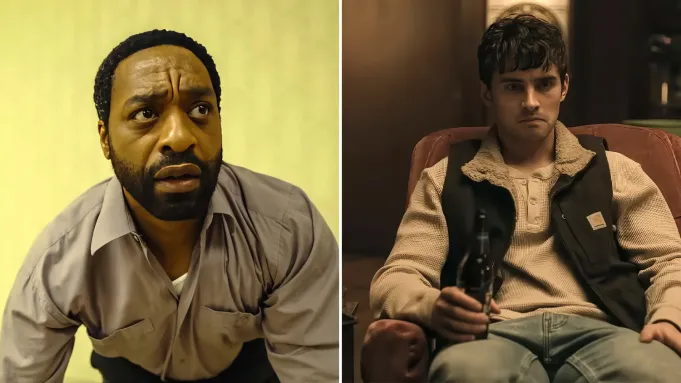
So, as a creator or even a studio executive, ironically, the more profitable and cost-efficient initiative in today’s age may be investing in premium, novel productions rather than solely relying on the familiar faces we’ve all grown accustomed to.
Two of this year’s top 20 highest-grossing domestic films were directed by previously unknown Hollywood filmmakers who broke through as the diesel the industry’s creative engine needed.
Sources
- Paramount — Warner Bros. Discovery acquisition announcement
- Box Office Mojo — 2026 domestic box office
- Box Office Mojo — 2022 domestic box office
- Forbes — 2026 Emmy nominations show a preference for original concepts
- The New York Times — “Backrooms” and “Obsession” disrupt the 2026 summer box office
- Screen Daily — 2026 U.S. summer box office becomes biggest of all time